Former Lab Members

Jennifer Enciso
Current affiliation: Business Development Associate, Medical Solutions Department at PROSPERiA
Research line: Applied research for the development of AI-based solutions to improve the preventive and early diagnosis strategies of diabetes and its related complications.
Research highlights: During the last years I have specialized in the understanding of complex diseases wtih emphasys on cancer and more specifically on pediatric ALL. I have published original research papers predicting the influence of inflamatory events in ALL development and progression. Additionally I have actively participated in the organization of scientific events and science communication. My expertise lies in the boundaries of biomedical research, computational modeling, artificial intelligence and data mining.
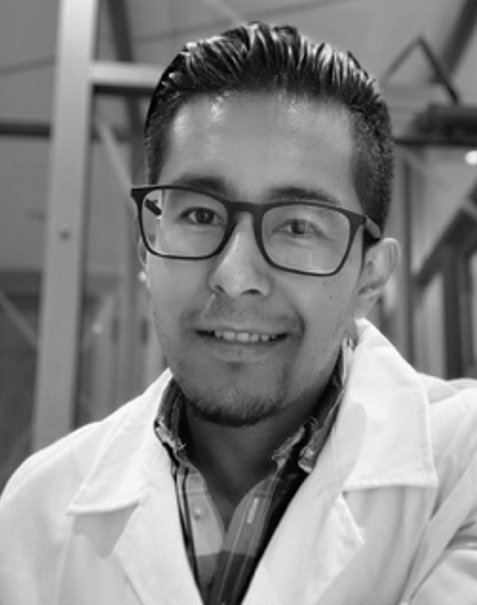
Juan Carlos Balandrán
Adscription: Principal Investigator at Laboratorio Juárez, Oaxaca. Postdoctoral Fellow at the Paul Frenette’s Lab. Albert Einstein College of Medicine, New York, NY.
Research line: Tumor microenvironment and immune checkpoints in leukemia
Research highlights: The major interest of my research is the characterization of the mesenchymal niche during acute lymphoblastic leukemia which is not able to sustain normal lymphopoiesis due a pro-inflammatory microenvironment with tumor promotor properties. We established a patient-derived organoid model which better mimic niche properties and leukemia-initiating cells (LICs) to find novel therapeutics to target malignant niche and eliminate LICs.
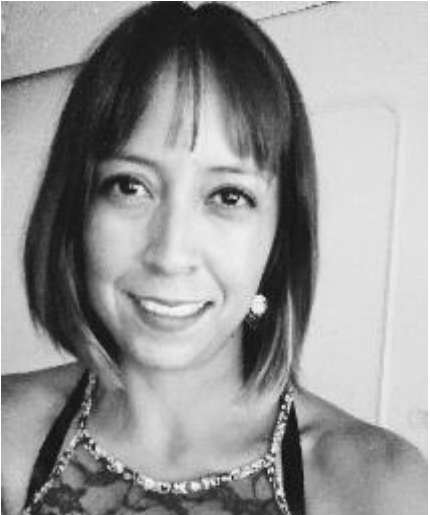
Martha Velázquez
Adscription: Postdoctoral Fellow Alan D´Andrea Lab. Dana Farber Cancer Institute/Harvard Medical School. Boston, MA., USA.
Research line: Study of bone marrow failure and DNA repair mechanisms in Hematopoietic Stem and Progenitor Cells (HSPC) in Fanconi Anemia.
Research highlights: During my Ph.D., I was focus on the study of childhood B- cells acute lymphoblastic leukemia (ALL) and relapse cases. We found that cortactin, an actin-binding protein, is over-expressed in ALL and it has an essential role in the bone marrow relapse infiltration in other organs. Our investigation was published in Leukemia journal and received the Awar Dr. Luis Sanchez Medal for «The best research work in hematology» from the Mexican Association for the Study of Hematology (AMEH), as well it is part of patent in progress.

Jussara Rios
Current affiliation: Senior Drug Safety Associate for ICON Clinical Research
Research line: Role of tumor miRNAs in the pro-inflammatory phenomenon of bone marrow leukemia.
Research highlights: Acute leukemia tumor cells secrete exosomes that can serve as elements of cellular intercomunication with the microenvironment and be received by other hematopoietic cell categories. The miR-199b, miR-146a and miR-181b microRNAs contained in these exosomes can act as TLR8 ligands, induce the activation of NF-kB, the production of inflammatory cytokines and hematopoietic growth factors, as well as promote the activation of pro-inflammatory signaling pathways. This phenomenon could contribute to the remodeling of hematopoietic niches and intermittently induce the proliferation of a primitive hematopoietic population.

Jessica Purizaca
Adscription: Medical Affairs, Novartis Pharmaceuticals
Research line: Tumor Microenvironment & Molecular and Genetic Oncoepidemiology.
Research hightlights: Probable role of CXCL12 in the maintenance of leukemic progenitors within altered pro inflammatory bone niche.

Eduardo Vadillo
Adscription: Research Associate B. Migration and Metastasis Laboratory. Unidad de Investigación Médica en Enfermedades Oncológicas (UIMEO). UMAE. Oncology Hospital. XXI Century National Medical Center.
Research line: Mechanisms of invasion and metastasis to peripheral tissues, used by normal and pathological hematopoietic cells and cells derived from solid tumors, focused on the role of integrins, adhesion and signaling molecules.
Research hightlights: During master´s degree and Ph.D., I was focused on the hematopoiesis of NK cells in normal and leukemic conditions. In my postdoctoral studies, I focused on the study of neutrophils and lymphocytes in vivo with the use of intravital microscopy. The main findings of my research have been to understand how NK cells are generated and trained under emergency conditions. I have also contributed to the knowledge of how myosin 1e modulates the rolling of neutrophils and lymphocytes in vivo.
 Oncoimmunology & Cytomics Lab